
"producing countries"
30000 article(s) found

Colombian coffee bean producing area, Colombian coffee bean history
Following Cafe Review (Wechat official account vdailycom) found that Fairview Cafe opened a small shop of its own, Colombian Coffee, the producing area of Colombian beans, is one of the few individual coffees sold in the world under the name of the country. In terms of quality, it has won praise unmatched by other coffee. Compared with other producing countries, Colombia is more concerned with developing products and promoting production.

Data of 25 coffee producing countries in the world (part two)
The word coffee comes from the Greek word Kaweh, which means strength and enthusiasm. Coffee tree is a small evergreen tree of Rubiaceae. Coffee for daily consumption is made from coffee beans combined with various cooking utensils, and coffee beans refer to the nuts in the fruit of coffee trees, which are then roasted by appropriate roasting methods. All over the world, people like drinking coffee more and more. The coffee text that followed

General knowledge of the characteristics of high-quality coffee
Coffee beans from all over the world are processed in different ways to provide tasters with a variety of flavors and styles of coffee drinks. From light to full-bodied, from sour to slightly sour, so many varieties are quite confusing to those who taste coffee for the first time and those who try to distinguish them. However, just as there is a way to taste wine, the lesson of coffee beans
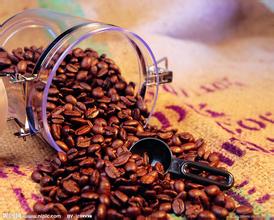
Main coffee bean producing countries
Major coffee producers: Brazil accounts for about one-third of the world's coffee production. Although it occupies a very important position in the overall coffee trading market, due to the price strategy adopted by the Brazilian coffee processing industry from the beginning, i.e. low price and large planting, the coffee produced is of average quality and less excellent grade, which is generally regarded as an indispensable coffee for blending.
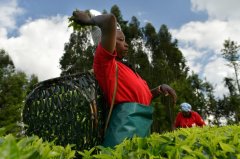
What are the different characteristics of the four major tea producing areas and representative tea in the world? Which black tea is the most expensive?
Water is the life of mankind. No matter in what form it appears, it is a necessary drink for all living things to survive. Out of this need and the inherent desire for improvement and innovation, humans have come up with a variety of ways to drink water, from flavored soda to coffee. Although they are all based on liquids, they

Evaluation on the quality of Coffee net Coffee Bancima was treated with sun in the primeval forest of Ethiopia.
Coffee producing countries have their own grading methods and quality evaluation criteria in order to grade their harvested coffee, of course, there are also famous coffee mochas. Like Yemen in Matali, there is no uniform export specification for the country. If the common evaluation criteria of coffee producing countries all over the world, it would be much more convenient for the buyer. Unfortunately, the current grading standard is still based on each producing country.

Nicaraguan coffee characteristics, uses, coffee producing area & output, general situation of coffee production and marketing over the years
For the exchange of professional baristas, please follow the coffee workshop (Wechat official account cafe_style) the Republic of Nicaragua is the largest country in Central America, covering an area of 130000 1670 square kilometers. It is bordered by Honduras to the north, Costa Rica to the south, the Caribbean Sea to the east and the Pacific Ocean to the west, between latitudes 11 and 15 degrees north. The country is divided into three major geographical regions, namely, the central isthmus and the Pacific Ocean.

Brief introduction of coffee producing countries: Guatemala
Guatemala, whose name comes from the Mayan language, means the land of many trees, the country of the forest. Located in Central America, it is known as the pearl in the crown of China and the United States. Although Guatemala has a limited land area, it has a rich and diverse climate. A country famous for its lakes and volcanoes, with volcanic soil, precipitation, temperature, humidity and altitude, Guatemala has a natural environment suitable for coffee growth.

There is a similar set of methods and standards for coffee bean appreciation
Coffee beans from all over the world, processed in different ways to provide a variety of tastes and styles of coffee drinks. From light to full, from strong to slightly sour, the variety is bewildering to coffee drinkers and to those trying to distinguish their characteristics. However, just as there is a way to taste coffee, there is a way to taste coffee.

Coffee producing country-Indonesian coffee Indonesian coffee flavor
Brief introduction of coffee producing countries: Indonesian coffee is grown in the Dutch colonial era, coffee cultivation is mainly in large estates, after World War II, experienced the process of nationalization and independence movement, now about 90% of the coffee produced in Indonesia is produced by small farmers. Originally, Indonesian coffee was Arabica, and the leaf rust disaster at the end of the 18th century destroyed Arabica manor.

Global Coffee producing area-introduction to the characteristics of Rwandan Coffee
Coffee production in Rwanda: there are about 33000 hectares of coffee plantations in Rwanda and 500000 people are engaged in coffee cultivation. With the good natural conditions of high altitude and fertile volcanic soil, the country's fertile soil and suitable climate contribute to plant growth, and coffee trees seem to be driven or forced to grow upward, or because they grow too fast to produce the best coffee beans.

Nicaraguan Lemon Tree Coffee Manor introduces Central American Coffee producing countries
Lemon Tree Manor also processes coffee in a honey-treated way. After the coffee fruit is actually picked, the coffee with its exocarp removed is put on the African shed to dry. Compared with the traditional way of placing coffee directly on the ground to dry coffee, using African shed to dry coffee can reduce more pollution in the drying process, avoid producing more miscellaneous smell, and finally improve the quality of coffee.

Introduction to the flavor of Salvadoran coffee the characteristics of Salvadoran coffee in Salvadoran coffee producing area
El Salvador's coffee accounts for 40% of the country's exports, and it is usually picked in November, December and January-March of the following year. The export of raw beans lasts almost all year round. Coffee is produced in seven of the country's 14 provinces, with the largest number in the northwestern provinces of chalatenango and santa ana. The coffee produced in El Salvador is 100% Arabica, of which 68% is

Costa Rican coffee producing countries with a deep coffee culture introduce high-quality coffee beans.
Among the many excellent producing areas in Costa Rica, there is a famous producing area Tarrazu, also known as Tarasu. Tarazhu is very famous in the world of boutique coffee and is one of the major coffee producing areas in the world. In the 2014 COE competition, of the 23 beans on the list, 17 came from Tarasu. Tarasu is located in the fertile volcanic region of Central America.
Coffee futures American type C futures Arabica coffee bean price trend quotation contract latest news
The American coffee bean futures business began with the New York Coffee Business in 1882, which added sugar futures contracts in 1916 and changed its name to New York Coffee and Sugar Trading. It was not until 1979 when it merged with the New York cocoa business that it became known to the giants as the New York coffee, sugar and cocoa business.

Coffee leaf rust has caused serious losses in Central American coffee producing countries.
Coffee leaf rust, which begins to spread among coffee trees as small yellow spots, will soon turn coffee leaves into a pile of dead leaves. In five years, the plague among coffee trees reduced coffee production in Central America to an all-time low, affecting not only the price of coffee, but also the labor balance in the region, forcing many local citizens to emigrate illegally to the United States. Since 2

Introduction of the main coffee producing countries in Africa _ the best coffee beans in Africa _ how to drink African coffee powder
Professional coffee knowledge exchange more coffee bean information please follow the coffee workshop (Wechat official account cafe_style) main African coffee producing countries introduction: Yemen (Yemen) well-known representative coffee: Mocha Mattari early Yemeni coffee was mainly exported from the port of Mocha, so the coffee exported from here later took Mocha as the name of coffee.

Tarasu, a coffee producer in Costa Rica.
Located in the south of the country's capital, San Jos, Tarasu is one of the most valued coffee growers in the country. La Minita Tarrazu coffee is a famous local product, but its production is limited, about 72600 kilograms a year. It is grown on a piece of land called La Minita, which is owned by the McAlpine family of England.

53 coffee producing areas in the world
One. Costa Rican coffee is full of particles, ideal acidity and unique aroma. Tarrazu in Costa Rica is one of the main coffee producing areas in the world. The coffee produced is light and pure in flavor and pleasant in aroma. Costa Rica's volcanic soils are fertile and well drained, making it the first country in Central America to grow coffee and bananas for commercial value. Coffee and Fragrance

How are raw coffee beans graded? the grading method of raw coffee beans in various countries
For the exchange of professional baristas, please pay attention to the rating methods of raw coffee beans in the coffee workshop (Wechat official account cafe_style). There are three main rating criteria for raw coffee beans, and different countries adopt different rating methods according to their own production conditions and national conditions (not all coffee producing countries adopt the same method). One: the reason for this is classified according to the altitude of the coffee producing area.